Jim E. Largent Sr.
 Largent discusses his experiences growing up and his time working for a railroad company. Watch Story...
Image: Dam on Mountain Creek by Jim Bradley

An initiative of the Cumberland County Historical Society the Elizabeth V. and George F. Gardner Digital Library seeks to fulfill the Society's mission of collecting, engaging, and sharing the stories of Cumberland County.
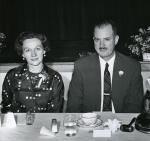
Interview of Mary Ann Shughart by Carolyn Osborn for the Cumberland County Historical Society. Shughart discusses her life including her experiences during World War II while her husband, Dale F. Shughart, was serving in the military.

Interview of Wanda Hunter for the Elizabeth V. and George F. Gardner Digital Library. Hunter discusses growing up as a Black Woman in Carlisle including the history of the Carlisle School District's segregation and integration policies, and Lincoln Cemetery.
Emma Louise Thompson McGowan was born in Winchester, Virginia in 1876. When she was thirteen years old, McGowan moved with her family from Winchester, Virginia to Carlisle, Pennsylvania escaping the devastation of the South and seeking a new life in the North.
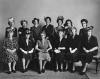
Born in Chicago on September 18, 1902, Helen Stevens was a long-time and very active member of the Carlisle community, whose life work was associated with finding assistance for individuals needing mental health services.
James Hamilton, Jr. was in Baltimore for Emma J. Wilson’s wedding on April 23.
Thomas Cruse was the brother-in-law of Judge James Hamilton of Carlisle, Pennsylvania
John Zug, a new lawyer, writes to his intended bride Margaret about the perils to his mind, body, and soul of being a lawyer. He is determined to follow a new regimen to improve his health.
Largent discusses his experiences growing up and his time working for a railroad company. Watch Story...
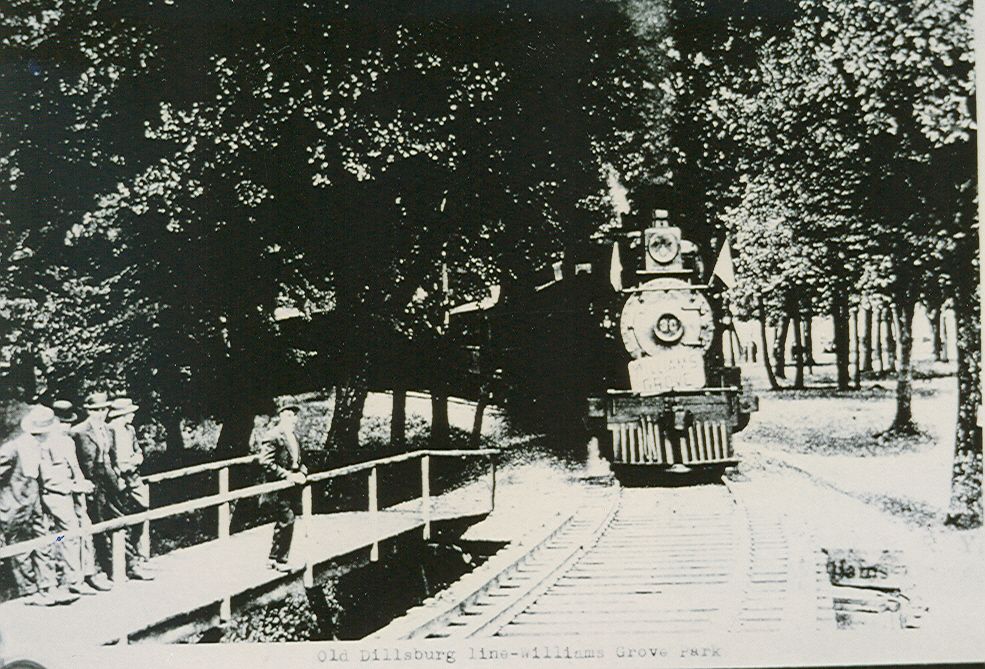 “The Dillsburg and Mechanicsburg Railroad was built with the backing of the Cumberland Valley Railroad primarily to haul iron ore from the vast reserves around Dillsburg to furnaces in the Harrisburg region. Read Article...
Reproduced below are a number of the photographs which were displayed at the Cumberland County Historical Society as an exhibit "Hey Ollie, Let's Go Railroading." Over 250 photographs were put on display as a tribute to all the railroaders, both here and gone, who worked in the Cumberland Valley. Read Story...