Hamilton Library Association: Program for 1908-1909
Stated Meetings in the Library Building. October 1908----April 1909
Stated Meetings in the Library Building. October 1908----April 1909
Stated Meetings in the Library Building
October 1907---April 1908.
Mr. President and Members of the Hamilton Library Association:—
I desire to say, in the first place, that I esteem it an honor to have been invited to prepare a paper for this occasion. Having listened to some of the papers here presented I fully understood that the preparation of a paper to be read here involved serious labor and that a random talk would not be acceptable.
Striking and magnificent as our country is in its peculiar attitude and rapid growth, presenting at one view the combined ideas of ability to resist the strong, and power to defend the weak, it is scarcely less majestic than beautiful, and in attempting to convey to you in language befitting some of the important facts connected with its early history, and the birth of its flag, would seem little less absurd, than...
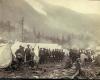
“A Klondiker’s Return. R. H. Stake, of Newburg, Brings Several Thousand Dollars Home,” headlined an item in the August 29, 1898 edition of the Carlisle Evening News.1 The newspaper reported that Mr. Stake went to the Klondike gold fields with M.
Read Before Historical Meeting of the Hamilton Library Association, Carlisle, Pa., November V. 1902, and Reprinted for the Historical Department. From all sources obtainable it is generally conceded that Lees' objective point when he attempted the invasion of Pennsylvania was Philadelphia, though he expected to give battle before reaching this point.
The year just closed has been characterized by the usual activity along the various lines of work of the Association, as the Historical Society of Cumberland County.
The usual work of the Association has been carried on during the year, and the interest in all lines has been fully maintained.
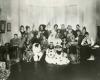
All Hallow’s Eve--the night when witches and hobgoblins supposedly walk abroad. What began in the 1860s as a night of boyish pranks evolved into a county-wide celebration of parties, parades and fun.
At first like other towns in their incipient state, the people of Carlisle, may have largely depended on their own yards and gardens and out-lots for the supply of their wants with occasional visits by meat dealers and country people. Every family raised something both for summer and winter consumption, and “killing time,” or “butchering time,” as it was generally called, which occurred late in the Fall, after the corn and potatoes had all been housed, was always a season of great plenty, when many a well-fed steer and hog had to yield its life, and its flesh was prepared for future use.