Schimmel Wood Carvings-Tidbits
Wilhelm Schimmel (1817-1890) was a German itinerant who lived in Cumberland County during the last quarter of the 19th century. In exchange for food and lodging, often in people’s barns, he made wood carvings for them.
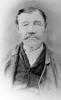
Wilhelm Schimmel was a German-born itinerant who traipsed Pennsylvania’s Cumberland Valley doing odd jobs. In payment for food and sleeping quarters in the barns and lofts of local families, he carved and painted eagles and animal figures of various sizes.
Servants played an important role in the economy of colonial and post-Revolutionary War America.
In 1899, Chinaman Sing Gee, planning to make a trip to China, sold his laundry business at 120 West High Street to Lewie Sing for $160. Lewie paid Sing Gee $100 and agreed to pay him the balance when he returned from China.
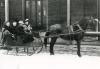
Two very heavy falls of snow within the last week have made glorious sleighing and found everybody in the humor to enjoy it. Everything in the shape of a sleigh has been put in requisition, and the jingle of the merry bells is an unceasing sound from ‘tosy morn to dewey eve,’ and then as the evenings are splendidly moonlit, the merriment only fairly commences.
Young people eagerly anticipated sleighing parties. Once enough snow had fallen, and a destination was established, horses and sleighs were commandeered, and chaperones found to escort the parties hither and yon.
Sleighing parties to Cumberland County hotels and private houses were managed by livery stable owners who provided sleighs, horses, drivers, blankets, robes, and foot warmers to keep the sleigh’s occupants warm as the horses carried them along wintry roads.
On May 30, 1757, Col. John Stanwix arrived in Carlisle with five companies of the Royal American Regiment's first battalion to begin constructing entrenchments.
George Shrom, who grew up on East Street in Carlisle, wrote about John Spahr in an 1898 article in the American Volunteer newspaper.
F. A. Harris, remembering his Carlisle school teacher Thompson Spottswood, wrote: “I could stand over his grave today and weep tears of friendship. He was one of the kindest men, and for one year disciplined that bad, bad school